AGP Executive Report
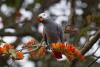
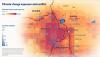
Last update: 10 hours agoWildlife Crime: TRAFFIC reports a growing “macabre” trade in African grey parrot blood near Lobéké National Park, linked to trapping and killing birds for medicine and religious practices—an alarming shift to harder-to-detect wildlife products. Urban Resilience: Cameroon is moving toward Results-Based Road Contracts for long-term road and drainage performance, aiming for smoother mobility and better use of public funds under a World Bank-supported project. Climate & Security: New research warns climate change is intensifying conflict in the Lake Chad Basin, worsening droughts, floods, and resource stress across Cameroon, Chad, Niger and Nigeria. Trade & Infrastructure: The World Bank approved $1.12bn to modernize the Douala–Bangui corridor, including climate-resilient road upgrades and logistics hubs, with Cameroon receiving the largest share of initial funding. Gender & Rights: Human Rights Watch says Cameroon has failed to meet commitments to cut violence against women and girls, citing discriminatory family laws and weak protection systems. Energy & Policy: Cameroon is developing “energy accounts” to guide smarter environmental and economic energy planning. Governance: Cameroon’s regional role is highlighted as subnational leaders push decentralisation through the Forum of African Regions. Regional Environment Tech: Yango Cameroon and Zindi hosted a Yaoundé mobility prediction hackathon, using weather and travel data to improve urban transport planning.
Note: AI summary from news headlines; neutral sources weighted more to help reduce bias in the result. Feedback is welcome. Please let us know if you have any comments or suggestions about the AGP Executive Report.
 Perspectify News