AGP Executive Report
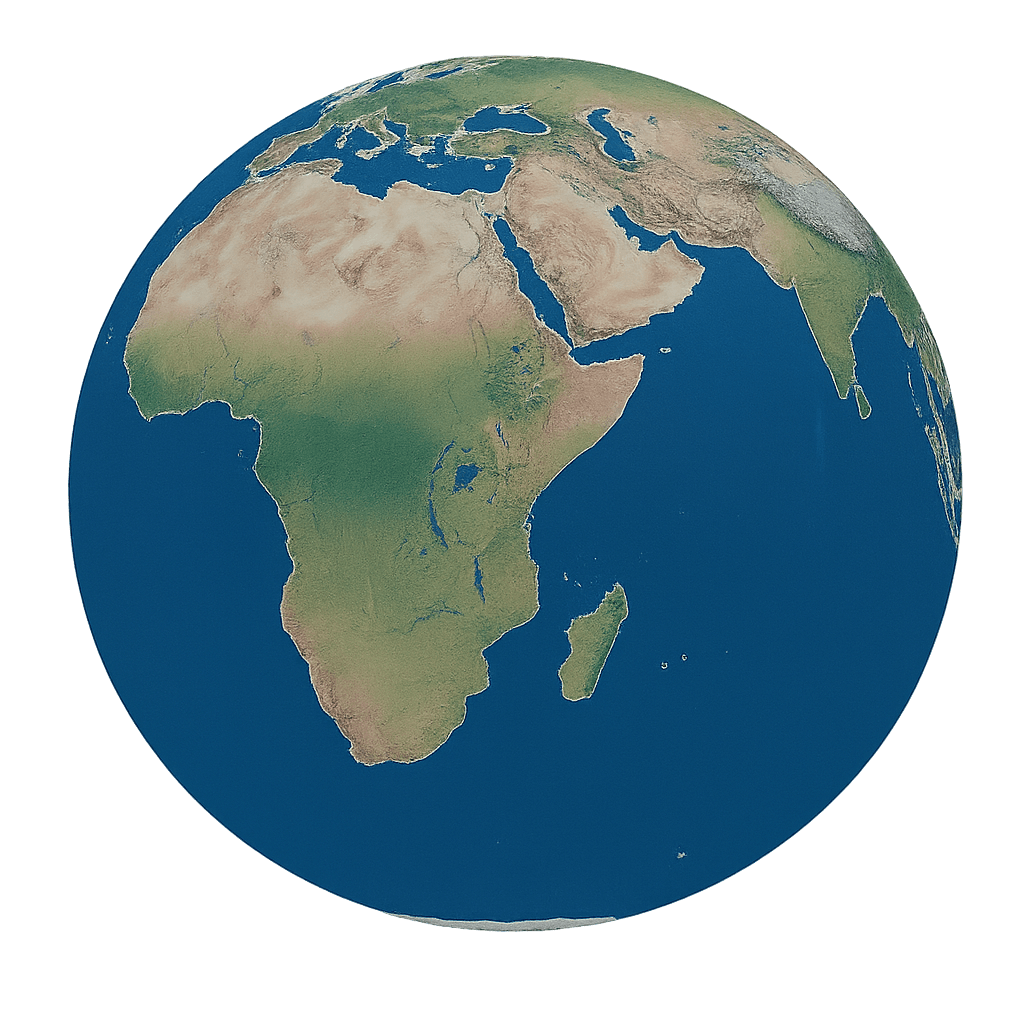
Last update: 7 hours agoCongo Basin: Ash Dykes’ support team says it has been more than 16 hours since contact with the Welsh adventurer and his crew on the remote Sangha River. Their location and the cause of the silence remain unknown; no injuries have been confirmed. Water Services: Cameroon and French partners are reviewing how local councils can fund and maintain rural water systems, building on projects in Mbam and Inoubou and Lékié. Oceans: The Gulf of Guinea Commission has asked Nigeria to lead a regional marine and blue-economy policy involving Cameroon and seven other states, with sustainable use of shared waters among its aims. Waste Management: Hysacam says more than 100 garbage trucks are ready for shipment to Cameroon, but it has not confirmed how many have arrived or entered service. Funding shortfalls remain a challenge. Nature and Farming: Congo Basin researchers and farmers are exploring nature-based solutions for more sustainable agriculture. Meanwhile, a report warns that deforestation losses are growing in the Congo Basin even as global forest loss slows.
Note: AI summary from news headlines; neutral sources weighted more to help reduce bias in the result. Feedback is welcome. Please let us know if you have any comments or suggestions about the AGP Executive Report.
 Perspectify News